

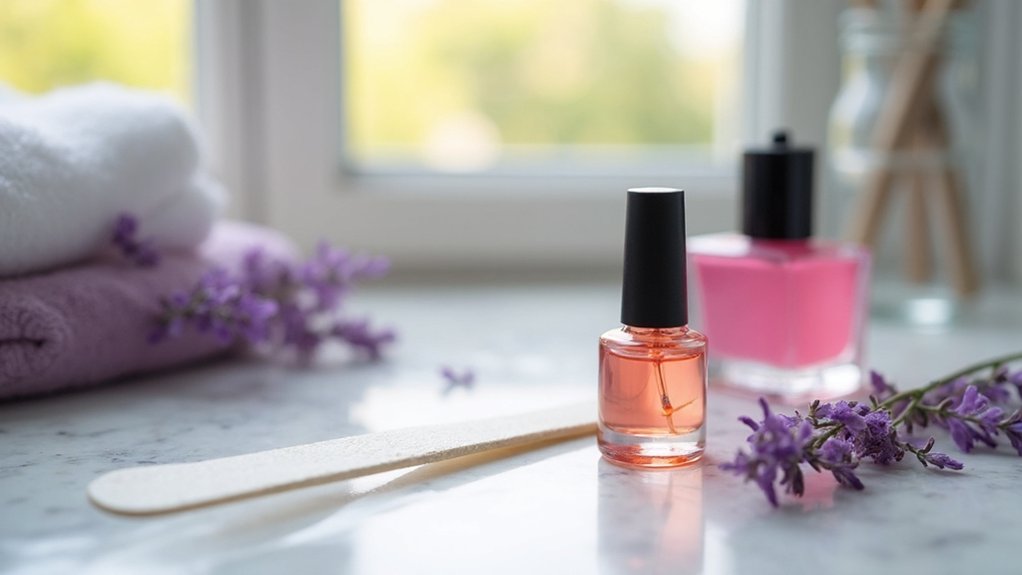
If you’re concerned about nail fungus, you’re not alone. Many people deal with this issue, but the good news is that you can take steps to prevent it. By maintaining proper hygiene and adopting certain habits, you can greatly reduce your risk. But what specific measures should you consider? Let’s explore the best strategies to keep your nails healthy and fungus-free.
What are the best nail fungus prevention tips?
To keep nail fungus at bay, there are several effective prevention tips you can follow.
First, maintain proper foot hygiene by washing and thoroughly drying your feet daily. Choose breathable footwear to reduce moisture buildup. Always wear socks made of moisture-wicking materials.
When visiting public pools or gyms, wear flip-flops to protect your feet. Avoid sharing nail clippers or other grooming tools. Trim your nails straight across and keep them short to prevent injuries.
Finally, stay mindful of any changes in your nails, and consult a healthcare professional if you notice discoloration or any other concerning symptoms.
How does nail fungus develop and spread?
Nail fungus develops when fungi, often found in warm and moist environments, invade the nail bed or surrounding skin.
You might unknowingly create the perfect conditions for this invasion by:
- Wearing tight-fitting shoes that trap moisture.
- Walking barefoot in communal areas, like pools or gyms.
- Sharing nail clippers or other personal grooming tools.
- Neglecting foot hygiene, allowing sweat and dirt to build up.
Once the fungi establish themselves, they can spread to adjacent nails or skin, making it essential to understand how you can prevent this from happening.
Stay vigilant and proactive in your nail care!
What are the common symptoms of nail fungus?
Have you ever noticed changes in the appearance of your nails?
Common symptoms of nail fungus often include discoloration, where nails may turn yellow, brown, or even white. You might see thickening or brittleness, causing your nails to crumble easily.
Sometimes, your nails could become distorted in shape, making them look abnormal. You may also experience a foul odor coming from the infected nail.
In some cases, the nail may lift away from the nail bed, which can be uncomfortable. If you notice any of these signs, it’s essential to seek treatment early to prevent further complications.
Why is hygiene important for nail fungus prevention?
Maintaining proper hygiene is essential in preventing nail fungus, as it helps eliminate the conditions in which fungi thrive. By keeping your nails and surrounding skin clean, you greatly reduce the risk of infection.
Here are some key hygiene practices to follow:
- Wash your hands and feet regularly with soap and water.
- Dry your feet thoroughly, especially between the toes.
- Avoid walking barefoot in damp public areas, like pools or gyms.
- Change socks daily and choose moisture-wicking materials.
Implementing these practices can help you stay one step ahead of nail fungus and maintain healthy nails.
How can proper nail care help prevent nail fungus?
While it might seem like a small detail, proper nail care plays an essential role in preventing nail fungus. Keeping your nails trimmed and clean reduces the risk of trapping moisture and debris, which can foster fungal growth.
Regularly filing rough edges prevents snags that might harbor infections. Moisturizing your cuticles helps maintain skin health, reducing cracks where fungus can enter.
Avoid sharing nail tools and guarantee any salon you visit practices good hygiene. Finally, wearing breathable footwear allows air circulation, minimizing dampness.
What lifestyle changes can reduce the risk of nail fungus?
To effectively reduce the risk of nail fungus, adopting specific lifestyle changes can make a significant difference. Here are four key habits to take into account:
- Keep your feet dry – Moist environments foster fungus growth, so make certain your feet are dry, especially between the toes.
- Choose breathable footwear – Opt for shoes made from materials that allow air circulation.
- Practice good hygiene – Regularly wash and thoroughly dry your feet and nails.
- Avoid walking barefoot in public areas – Protect your feet in places like locker rooms and swimming pools to minimize exposure.
Implementing these changes can help keep your nails healthy and fungus-free.
Are there effective home remedies for nail fungus prevention?
In addition to lifestyle changes, incorporating home remedies can further enhance your defense against nail fungus.
You might find tea tree oil beneficial due to its antifungal properties; just apply a few drops to your nails daily.
Vinegar, especially apple cider vinegar, can help as well—soak your nails in a mixture of equal parts vinegar and water.
Garlic is another powerful option; crush a clove and apply it directly to the affected area.
Finally, keeping your nails dry and clean can prevent fungal growth, so remember to thoroughly dry your feet after washing or swimming.
Stay proactive in your prevention!
When should you consult a healthcare professional about nail fungus?
When should you seek help from a healthcare professional about nail fungus? If you notice persistent symptoms or worsening conditions, it’s time to consult an expert.
Here are four signs that indicate you should reach out:
- Your nails are discolored, thickened, or brittle.
- You experience pain or discomfort around the affected area.
- Home remedies haven’t improved your symptoms within a few weeks.
- The infection spreads to other nails or skin.
Don’t ignore these signs. Seeking help early can prevent further complications and get you on the path to healthy nails again.